
Broken or Sick

The Gift and the Revelation
I received a gift today from an old friend. We had been discussing the reality that we are all broken.
I told the story of a patient I once treated — a woman struggling with alcohol. I told her, “We are all broken, just not in the same ways.”
Two weeks later, she returned and said it was the most encouraging thing she had ever heard. She hadn’t had a drink since.
What power did she receive from this revelation?
I don’t fully know — but I suspect it was hope.
Hope that she was not the only one broken.
Hope that she was not alone.
Hope that she was not unfixable.
Hope is powerful.
But sometimes, hope isn’t enough.
The Gift of a Potter
Back to the gift.
My friend is a potter, and he made me a coffee mug. Across it was a slightly broken, band-aid–like badge that read:
“Healer of the Broken.”
That phrase stopped me in my tracks.
It made me think — deeply — about how we approach problems in medicine.
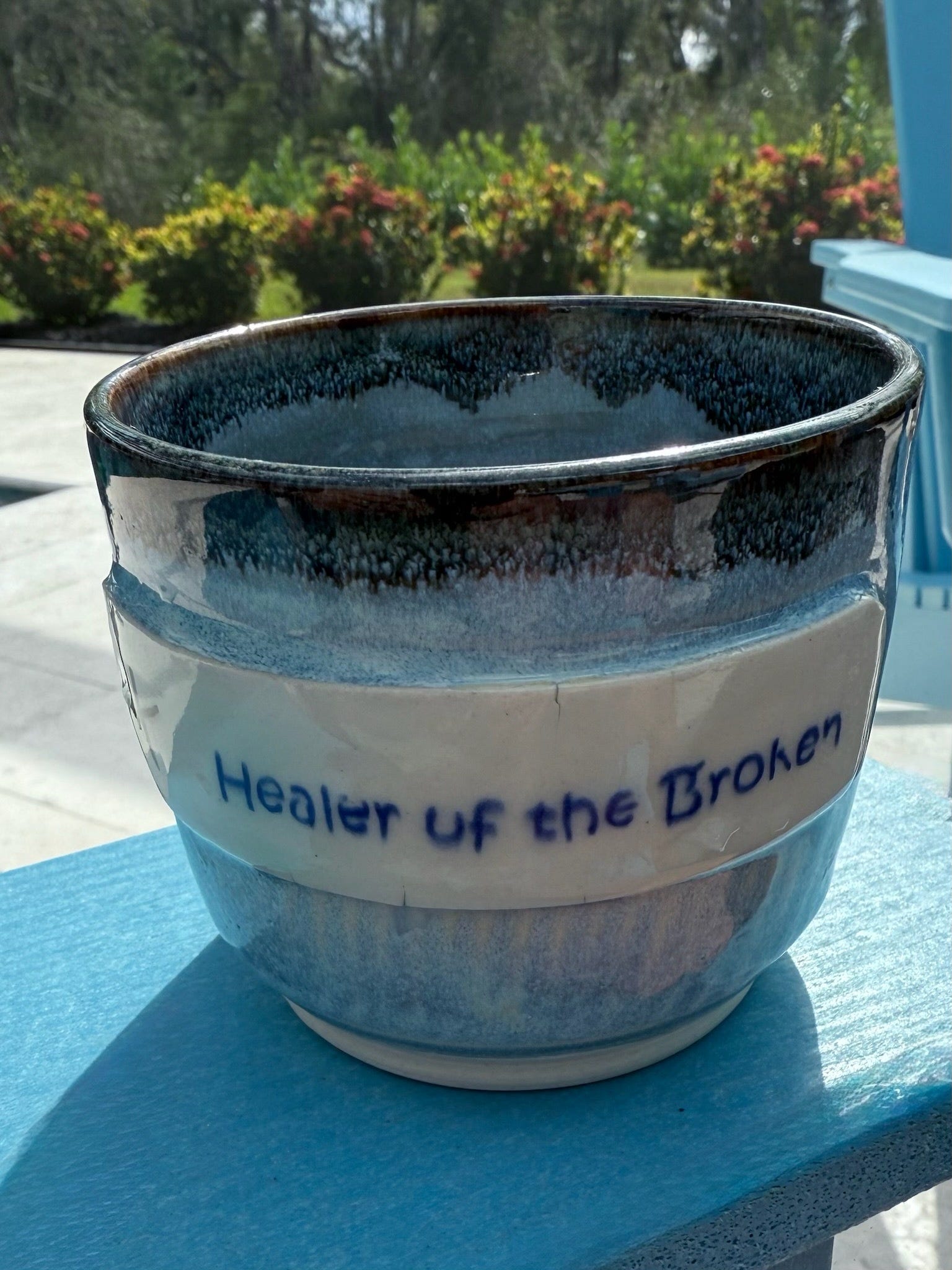
Healer of the broken is not the same as healer of the sick.
It’s much different.
Let’s explore why.
Brokenness vs. Sickness
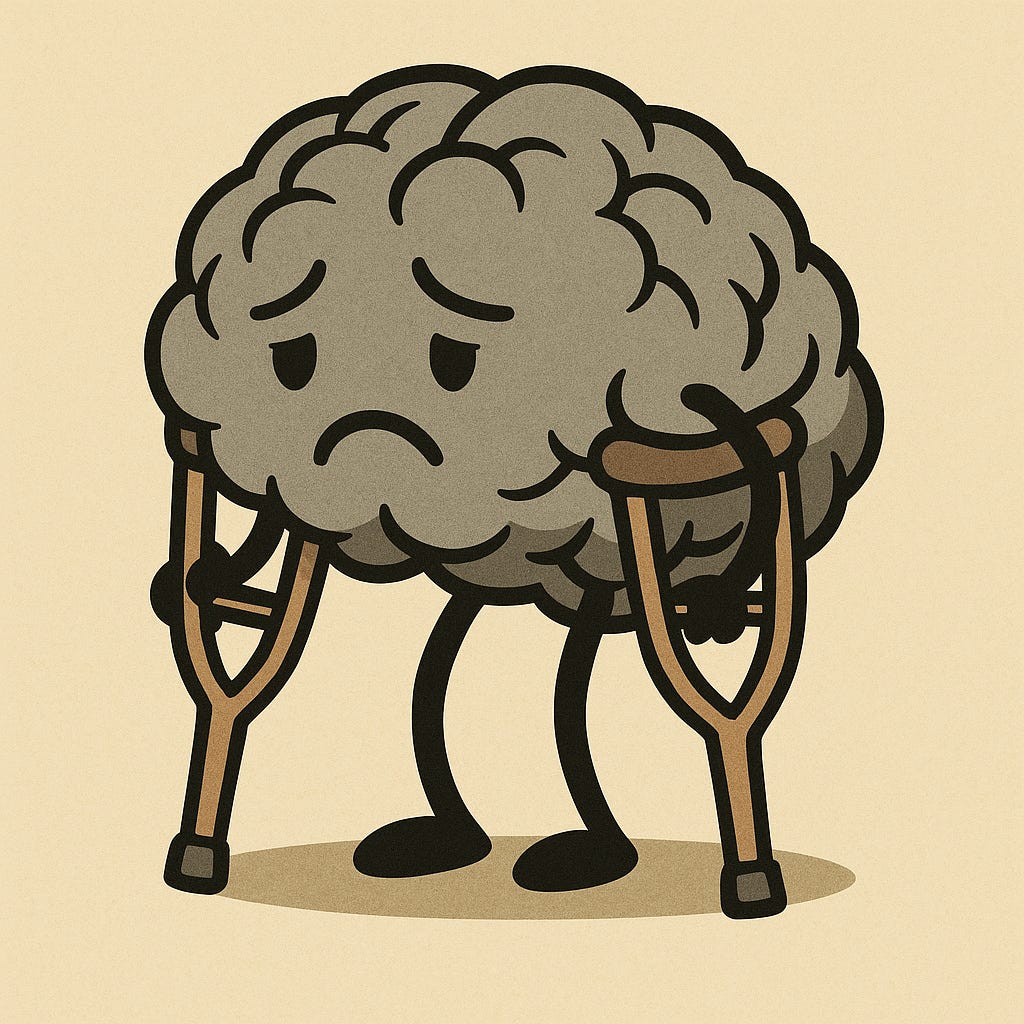
If you get hit by a bus, you become broken.
If you get strep throat, you become sick.
Both require medical treatment — but the approach, and the depth of healing, are vastly different.
A broken femur may take months or years of rehabilitation.
A sore throat, just a few days of antibiotics.
This is the essence of the divide:
One demands reconstruction. The other demands correction.
Modern medicine — for power and profit — has blurred that line.
And in doing so, it has confused healing with treatment.
The Nature of Brokenness
Brokenness wears many faces — emotional, spiritual, and physical.
Some are broken from childhood traumas.
Others, despite living in luxury, suffer from spiritual emptiness so deep they take their own lives.
And some, quite literally, have been hit by a bus.
But every kind of brokenness carries two hidden companions:
Trauma and Responsibility.
If you were hit by a bus — you endure trauma (the crash) and responsibility (someone drove the bus).
Healing brokenness always involves both.
And the only path through responsibility is forgiveness —
forgiveness of others, and often, of ourselves.
Healing brokenness always requires forgiveness. Always.
The Nature of Sickness
If brokenness is being hit by a bus,
then sickness is being struck by lightning.
It feels random. Unfair. Powerless.
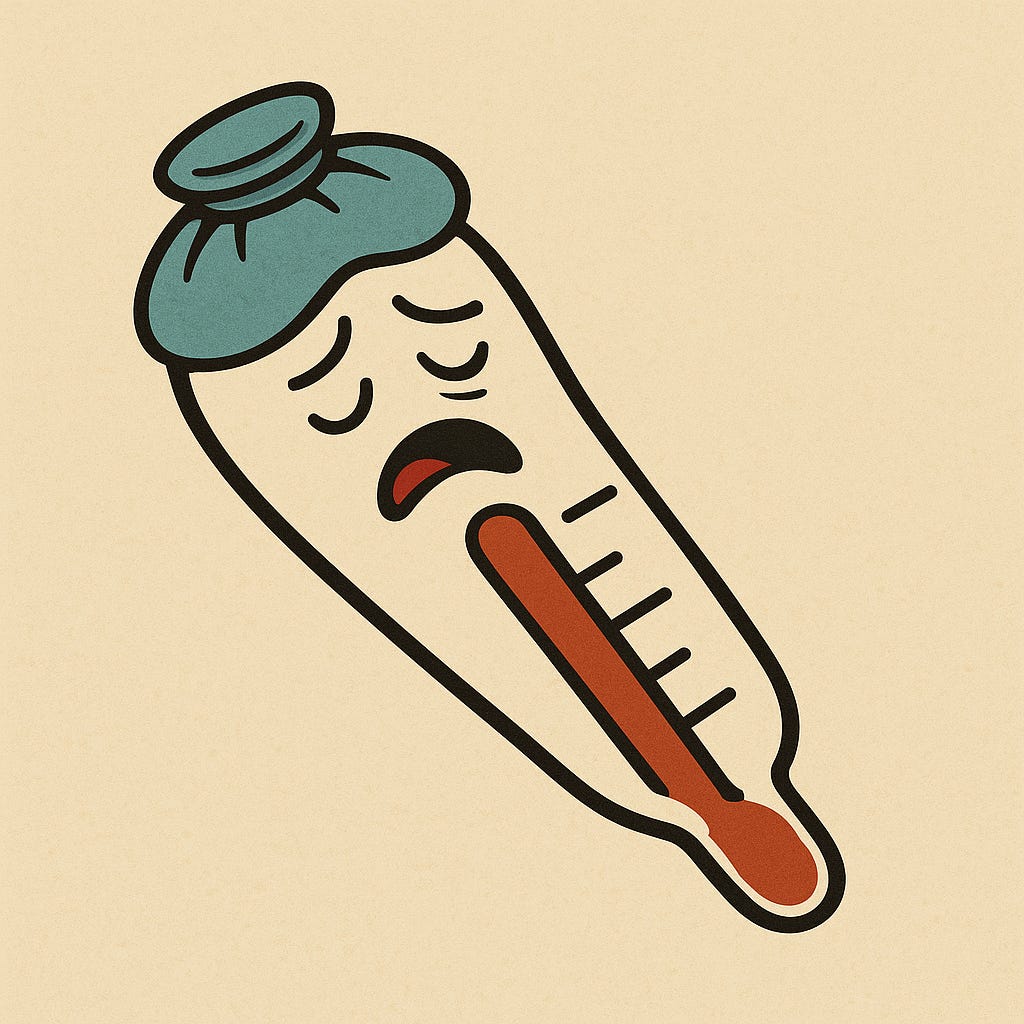
You didn’t ask to get strep throat four days before your wedding.
You didn’t choose for your newborn to be diagnosed with leukemia.
That randomness — that lack of control — is what defines sickness.
It’s what makes it terrifying.
But ironically, it’s also where the power lies.
Because in accepting what we cannot control, we begin to understand what we can.
The Blurred Reality
In truth, few things are purely broken or purely sick.
They often intertwine.
We eat broken diets, live low-energy lives, and end up with metabolic disease.
We drink our livers into failure.
We smoke our lungs into tumors.
And yet, modern medicine often tells us it’s not our fault.
“You’re just sick. You need a pill.”
But what if the pill only hides the pain — the way morphine numbs a broken bone without setting it?
When we never look for brokenness, we never find it.
I believe most of today’s medical problems begin in trauma and brokenness.
And by ignoring that truth, we’ve built a system that treats symptoms while leaving souls unhealed.
The Morphine Metaphor
Imagine again the bus accident.
You arrive in the trauma bay, morphine coursing through your veins.
Is morphine the treatment for your broken femur?
No.
It’s merely a tool — a bridge to comfort while the real work begins.
The treatment is the alignment, fixation, and time that allow the bone to heal.
The surgeon doesn’t heal you —
He sets the conditions for healing.
Whether your bone heals correctly or deformed depends on how it’s set.
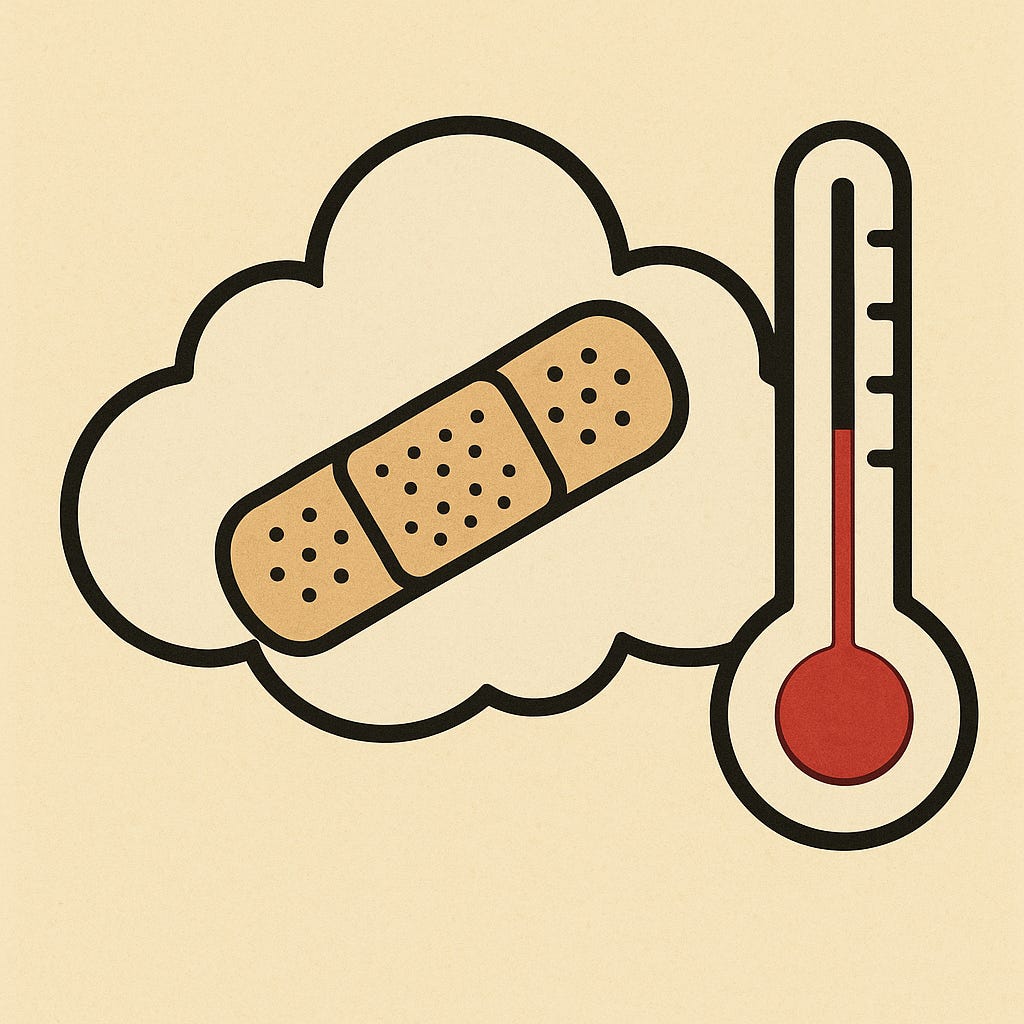
Modern medicine too often sets us up for deformed healing — medicating away discomfort rather than addressing the cause.
We end up comfortably numb… and permanently unwell.
A Society of Numbness
Nowhere is this clearer than in mental health.
People endure trauma. Instead of setting the emotional bone, we numb it.
We medicate anxiety, dull depression, and tranquilize pain —
without ever touching the source.
And what happens?
We create a population that is functioning, but never free.
This is profitable — but it isn’t healing.
If everything is a sickness, then everything needs a treatment.
And if everything needs a treatment, then medicine becomes an industry rather than a calling.
The Real Cure
Do you want to spend less on medical care?
Do you want to lead a healthier, freer life?
Then start here:
Recognize that you are far less sick than you think you are —
and far more broken than you’ve allowed yourself to admit.
Address the brokenness, and the illness often fades.
Then, perhaps, only the truly sick will need doctors.
Just like Jesus said.
🎙️ Want more conversations that challenge the way we think?
We explore medicine, meaning, and the human experience from all angles on our podcast, BS Free MD.
— always real and honest takes on medicine.
👉 Listen here: www.bsfreemd.com/podcast